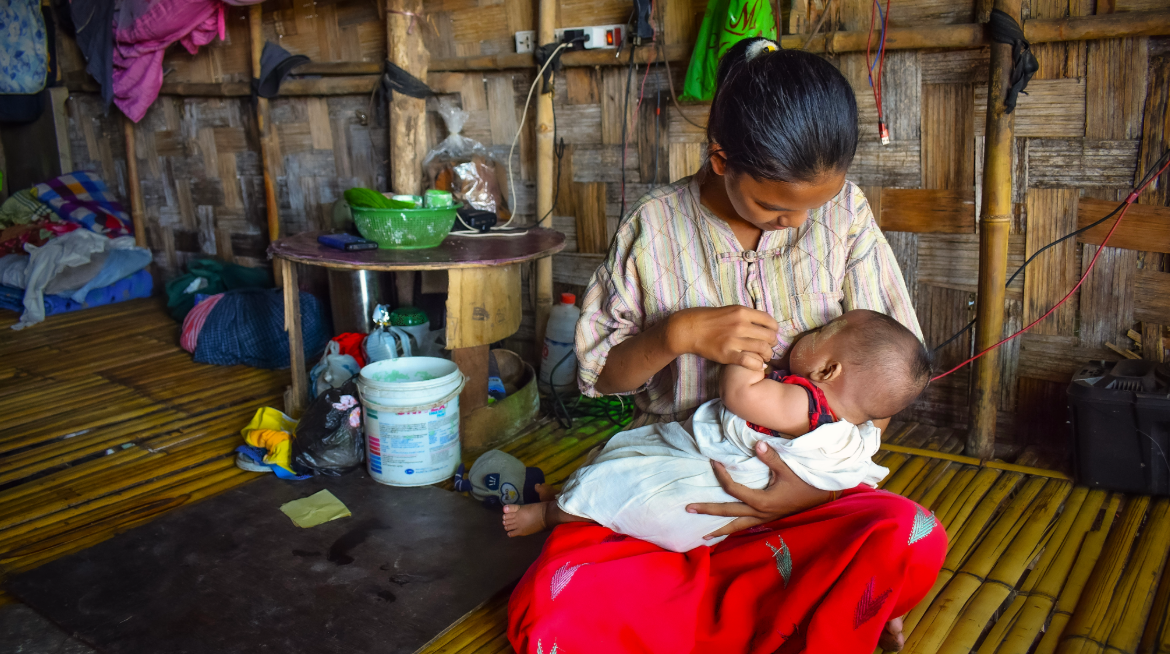
(1 August 2026, World Breastfeeding Week)
Every child deserves the healthiest possible start in life. Breastfeeding provides essential nutrients that help babies grow, strengthen their immune systems, and support healthy development during the earliest months of life. But successful breastfeeding is about more than a mother's commitment. It also depends on access to practical knowledge, supportive families, and communities that help mothers care for themselves and their children.
This message lies at the heart of World Breastfeeding Week, observed annually from 1–7 August. Under this year's theme, "Breastfeeding for a Sustainable Start in Life: Strengthen What Works," the campaign recognises that strengthening existing support systems can improve the health and wellbeing of mothers, babies, and communities alike.
In LIFT-supported communities, local partners work with mothers and families through nutrition education, breastfeeding counselling, Mother Support Groups, home visits, cooking demonstrations, and community discussions. These activities help families understand how everyday choices—from maternal nutrition during pregnancy to exclusive breastfeeding and preparing balanced meals using locally available foods—can make a lasting difference for children's health.
For one mother, learning about nutrition during pregnancy changed the way she prepared meals for her family.
"I used to think washing rice many times made it cleaner. Now I know that washing it only twice helps retain more nutrients. These small changes have made a big difference to how I prepare food for my children."
The knowledge she gained soon became something she shared with neighbours and other mothers in her community.
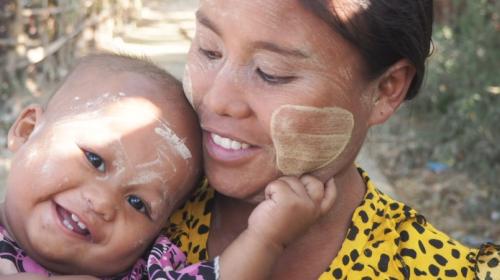
Another first-time mother found confidence through regular discussions with a local Mother Support Group.
"I learned that breastfeeding is not something a mother has to do alone. When families understand why it matters, they can support both the mother and the baby."
Her experience reflects an important lesson: when mothers receive practical guidance and encouragement from their families and communities, they are better able to give their children a healthy start.
Alongside breastfeeding support, community cooking demonstrations encourage families to prepare balanced meals using affordable, locally available ingredients, including vegetables from home gardens, eggs, legumes, and seasonal produce. These practical sessions show that good nutrition does not depend on expensive foods but on making the best use of what is already available.
According to the World Health Organisation, breastfeeding is one of the most effective ways to improve child survival and health. Yet creating lasting change requires more than awareness alone. It requires communities where mothers feel supported, families that understand the importance of nutrition, and practical knowledge that can be applied every day.
As Myanmar observes World Breastfeeding Week this August, these community-based efforts remind us that supporting mothers means supporting healthier children, stronger families, and more resilient communities.
(Note: Names and identifying details have been changed to protect the privacy and safety of the individuals featured in this story.)